UN PROIECT CULTURAL INIȚIAT DE ORDINUL ARHITECȚILOR DIN ROMÂNIA FILIALA SIBIU -VÂLCEA, CO-FINANȚAT DIN TIMBRUL DE ARHITECTURĂ
UN PROIECT CULTURAL INIȚIAT DE ORDINUL ARHITECȚILOR DIN ROMÂNIA FILIALA SIBIU -VÂLCEA, CO-FINANȚAT DIN TIMBRUL DE ARHITECTURĂ
Tallinn nocturn 2035
Capitala Estoniei are o populație de aproximativ 450.000 locuitori, un centru istoric foarte bine conservat înscris în lista siturilor UNESCO. Tallinn susține scena muzicii live, spațiile mici și medii pentru concerte și festivalul experimental Culture Night. Contribuția sa la dezvoltarea diversității culturale și a vieții de noapte alternative, este confirmată de titlul de Oraș Creativ al Muzicii UNESCO.
Aflat la aproape 60⁰ latitudine nordică, viața de noapte ocupă mare parte din timp în sezonul rece (până la 18/24h), iar nopțile albe din vară provoacă ritmul de somn pentru nou-veniți și turiști.
Administrația elaborat o strategie pentru viața nocturnă, care a fost supusă consultării în cursul lunii iulie 2025, prin care recunoaște tendința internațională a orașelor non-stop și își propune să devină un mediu urban vibrant, atractiv și relevant la nivel internațional.
Documentul este corelat cu o serie de obiective ale strategiei generale de dezvoltare, prin care vizează crearea de oportunități pentru activități socio-culturale și sportive în intervalul 7pm-7am echilibrat distribuite în cartiere. În același timp, orașul vechi este văzut în primul rând ca mediu de viață pentru rezidenți, unde viața de noapte trebuie să se integreze.
Anterior elaborării strategiei pentru viață nocturnă, orașul a experimentat timp de trei ani diferite măsuri de creștere a siguranței în spațiul public, de prevenire a consumului excesiv de alcool, respectiv al consumului de droguri, al actelor de violență și hărțuire, în colaborare cu localurile și forțele de ordine.
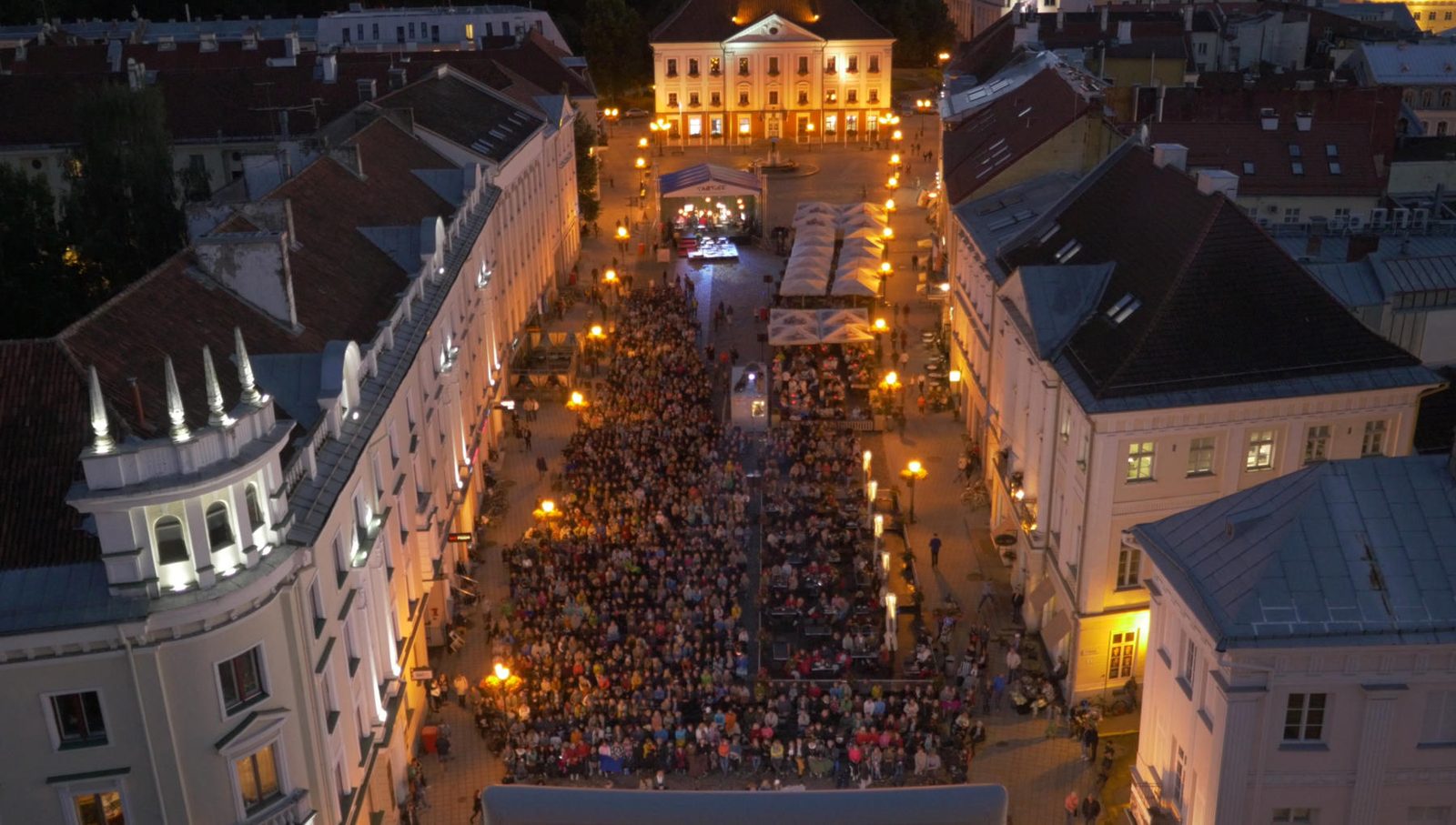
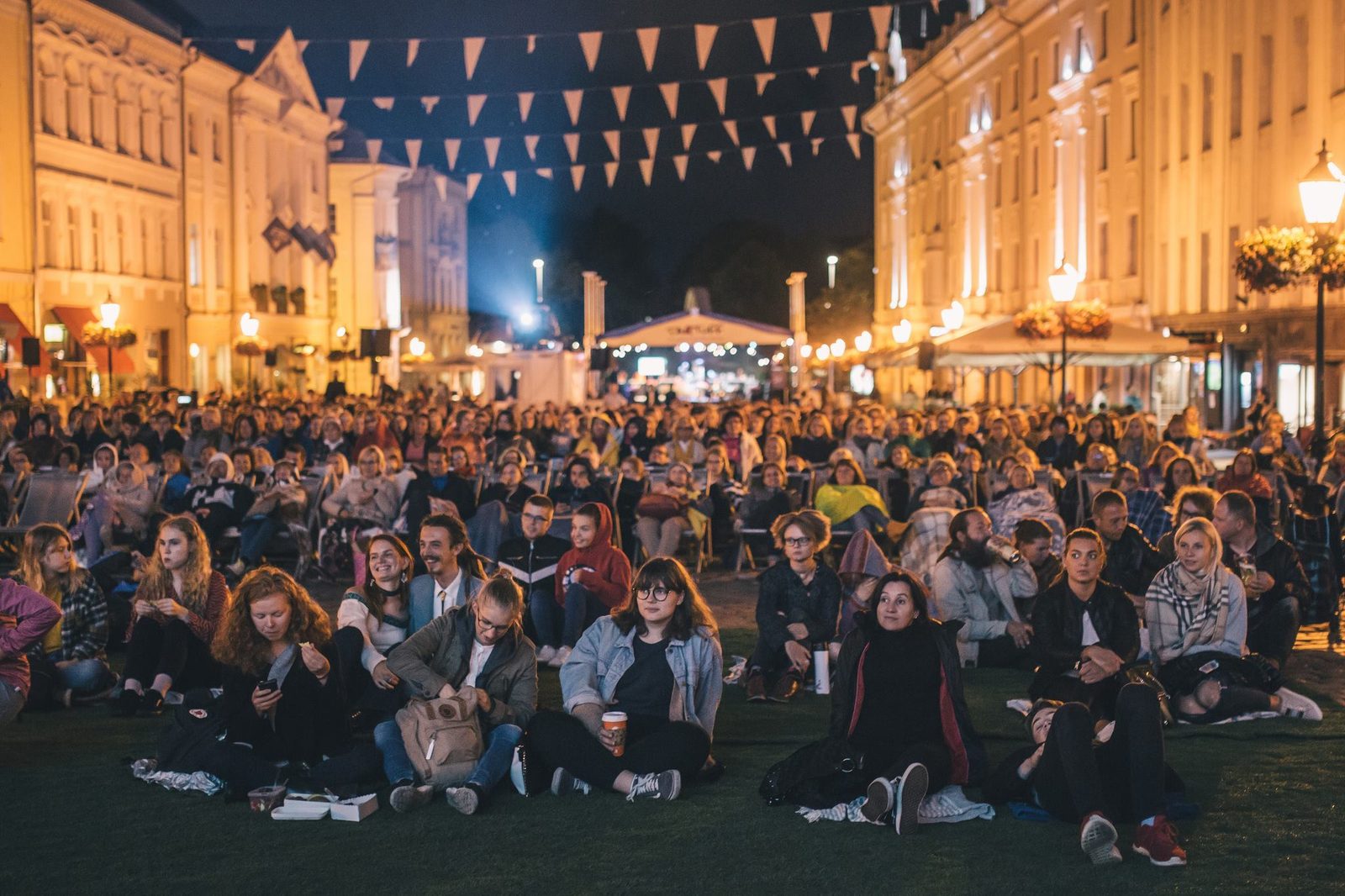
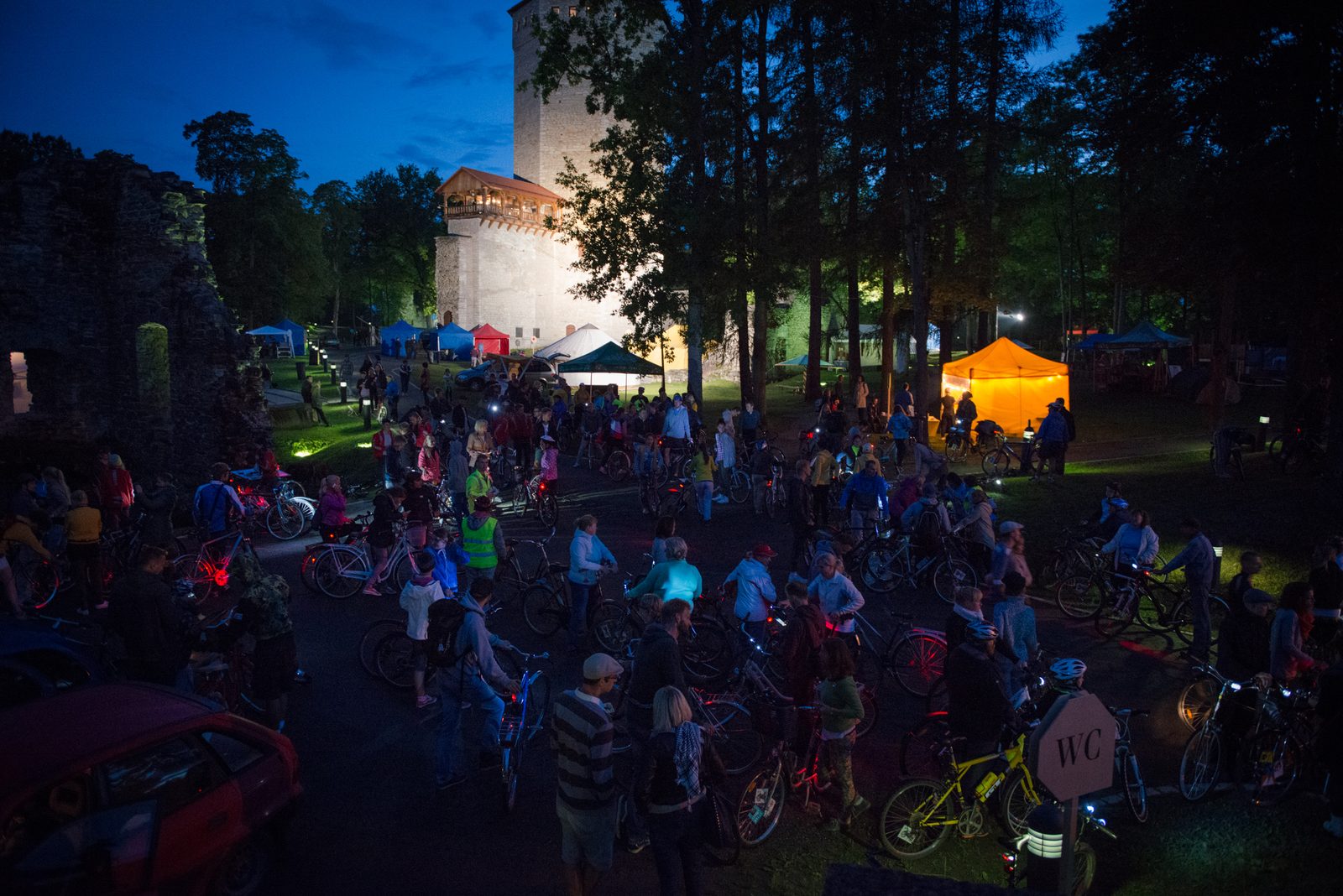
A introdus o rețea de autobuze nocturne și o cursă ciclistă nocturnă, a stimulat viața culturală prin măsuri de susținere a localurilor cu muzică live, prin proiecții cinematografice în aer liber ca parte a Festivalului Spațiului Public și a reactivat un festival nocturn.
Pentru protecția mediului, a abandonat artificiile de Anul Nou și a creat un instrument în sprijinul industriei muzicale și artelor spectacolului pentru a deveni treptat mai prietenoase cu mediul.
În aceeași perioadă, orașul a aderat la rețelele internaționale Cities After Dark, Night Mayors și NITIES.
Strategia își propune consolidarea, ajustarea și completarea măsurilor deja experimentate pentru creșterea calității vieții nocturne prin acțiuni precum:
încurajarea și susținerea inițiativelor venite din partea tinerilor, și deschiderea a două cafenele pentru tineret între 13 și 17 ani, în cartiere diferite, cu sprijinul unor specialiști în lucrul cu tinerii;
susținerea inițiativelor culturale prin permiterea utilizărilor temporare a spațiilor și valorificarea spațiilor vacante sau neutilizate în proprietatea consiliului local, printr-o politică de închiriere și funcționalitate multiplă;
Sprijinirea lucrătorilor de noapte (11% din forța de muncă) prin extinderea programului de îngrijire și asistență pentru copii, a unor săli de sport și prin suport pentru sănătatea mentală.
Strategia urmează a fi implementată în principal prin servicii ale primăriei cu atribuții clar definite și supervizată de Coordonatorul Vieții Nocturne, post înființat în cadrul Centrului Strategic Tallinn.
Sursa info: Tallinn Nocturn 2035 https://live.s3.teliahybridcloud.com/s3fs-public/inline-files/Arengukava%20%C3%96ine%20Tallinn%202035.pdf
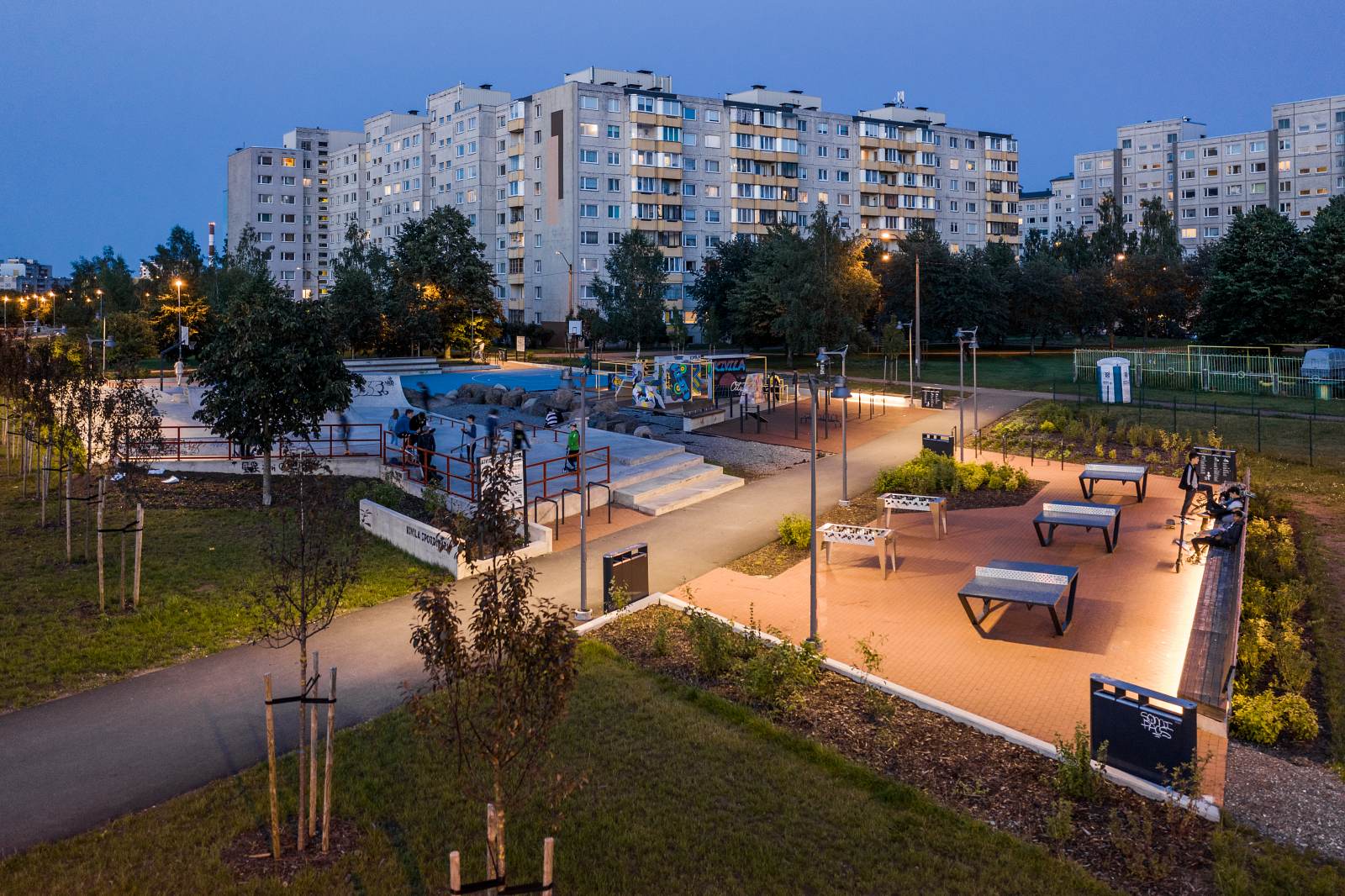
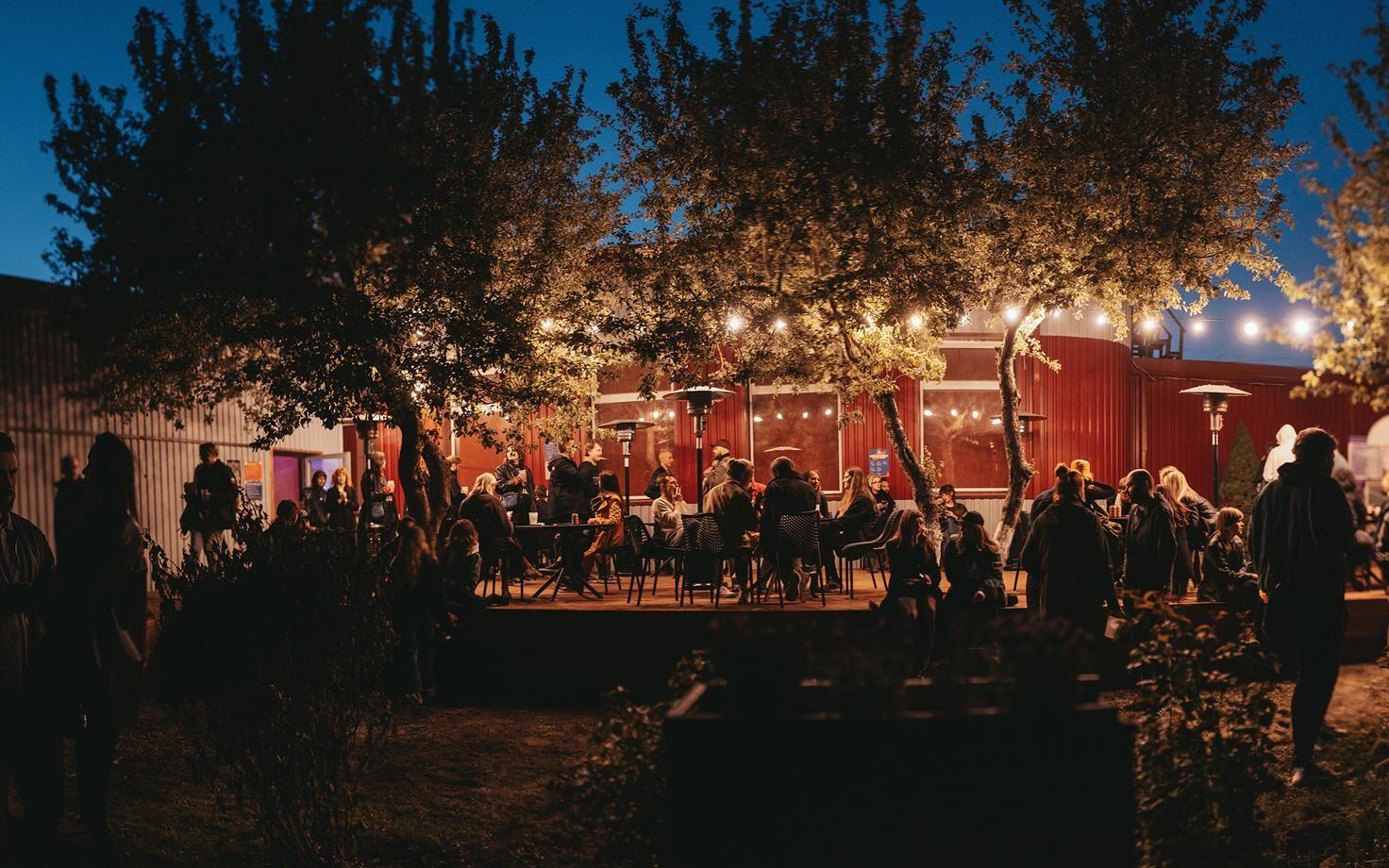
Kivila Park, Autor: Kaupo Kalda
Sursa: https://estonianworld.com/culture/a-concrete-jungle-of-tallinn-to-attract-visitors-with-a-music-festival/
Paavli Culture Factor,
Sursa tallinn.ee (https://www.tallinn.ee/et/strateegia/ooelu-arengukava-oine-tallinn-2035)
TARTU Film Festival - TARTUFF
Sursa estonia.ee (https://estonia.ee/tallinn-black-nights-film-festival-november-2017/)
TARTU Film Festival - TARTUFF
Sursa tartuff.ee
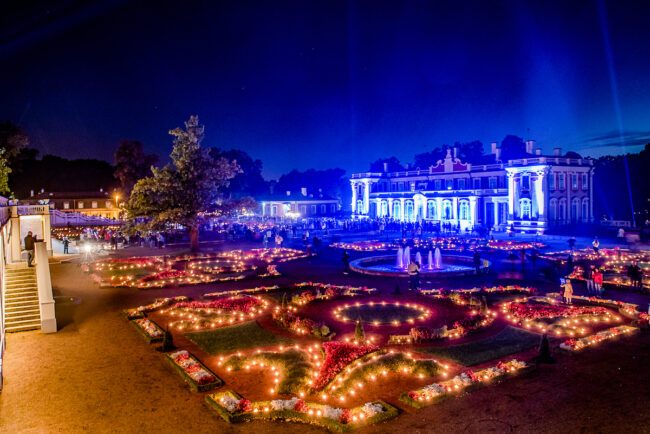
The Wandering Lights Festival
Sursa https://balticguide.ee/en/the-wandering-lights-festival-returns-to-tallinn-this-week/
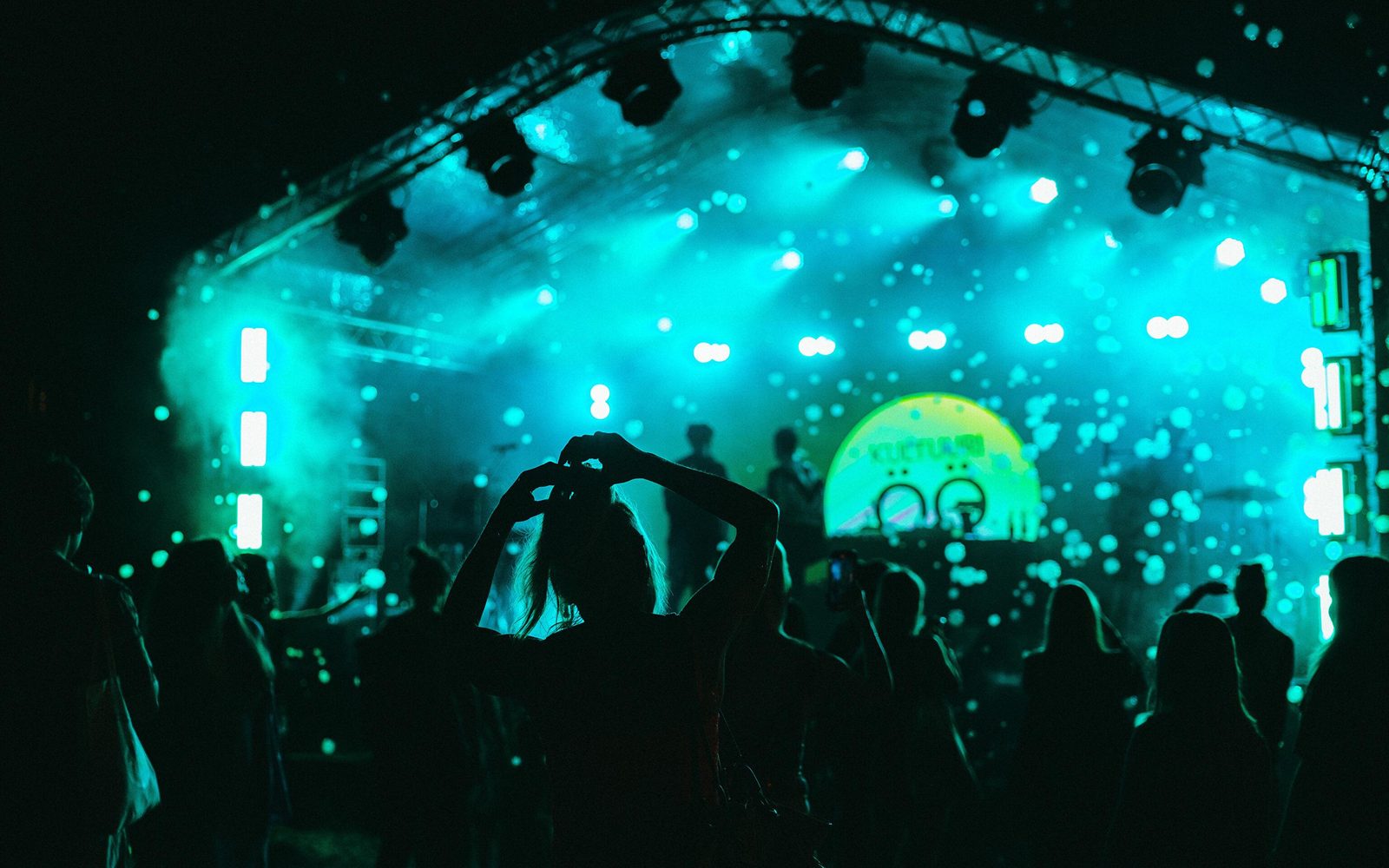
Culture Night 2024, autor Ken Mürk/ERR
https://news.err.ee/1609778340/culture-night-festival-takes-over-tallinn-s-streets-on-friday
Tour d’ÖÖ 2014
Tauno Tõhk
Sursa: flickr
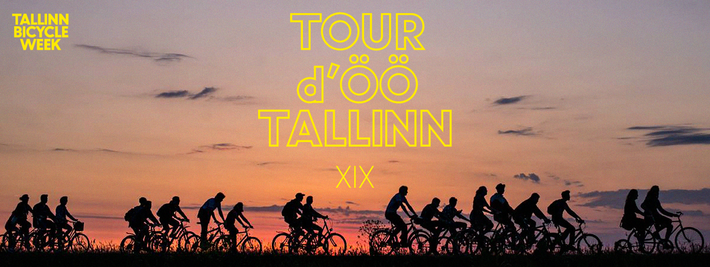
Tour d’ÖÖ
Sursa: tbw.ee
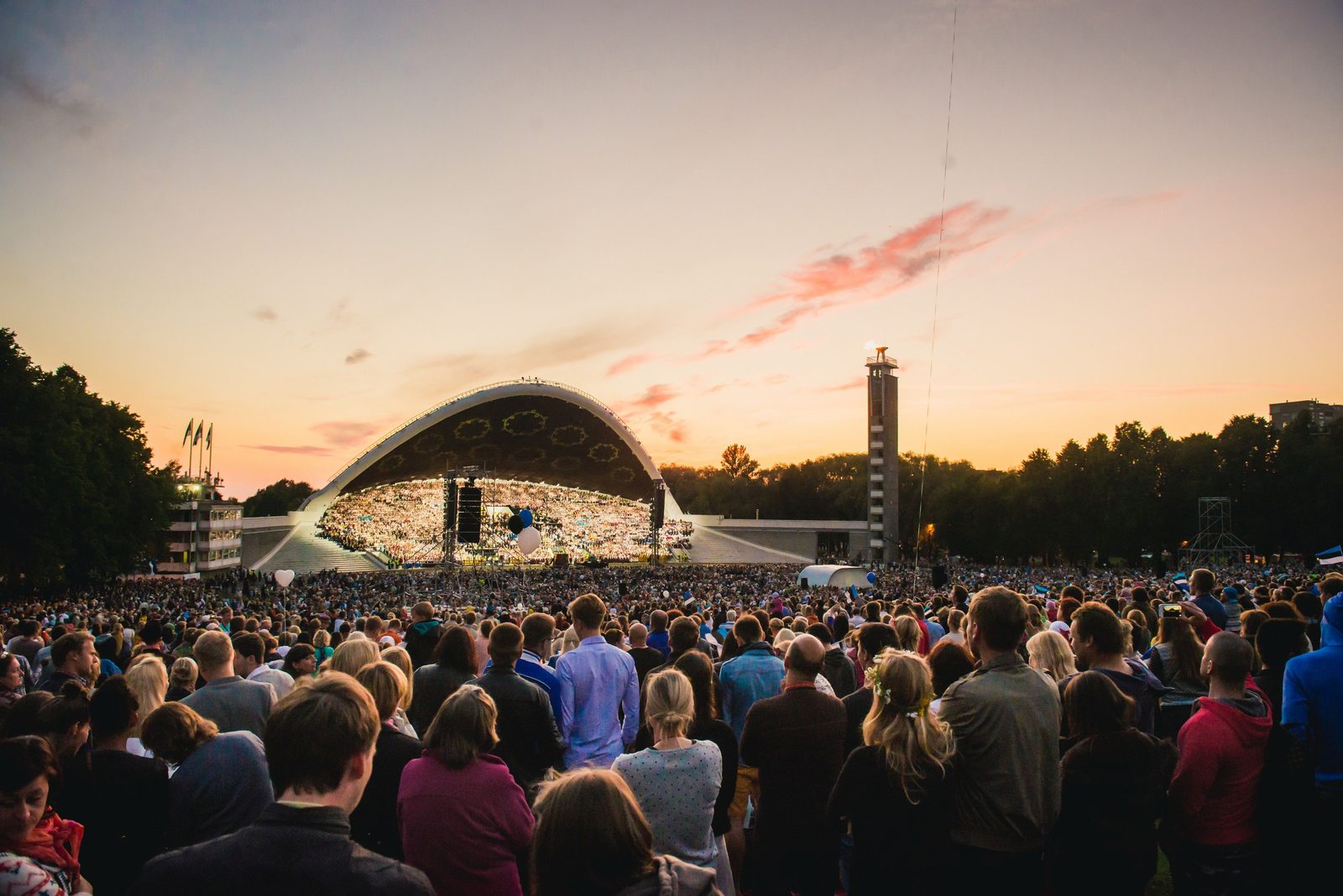
Song Festival, autor Jelena Rudi
https://www.tallinn.ee/en/news/public-transport-will-be-free-everyone-during-song-and-dance-celebration
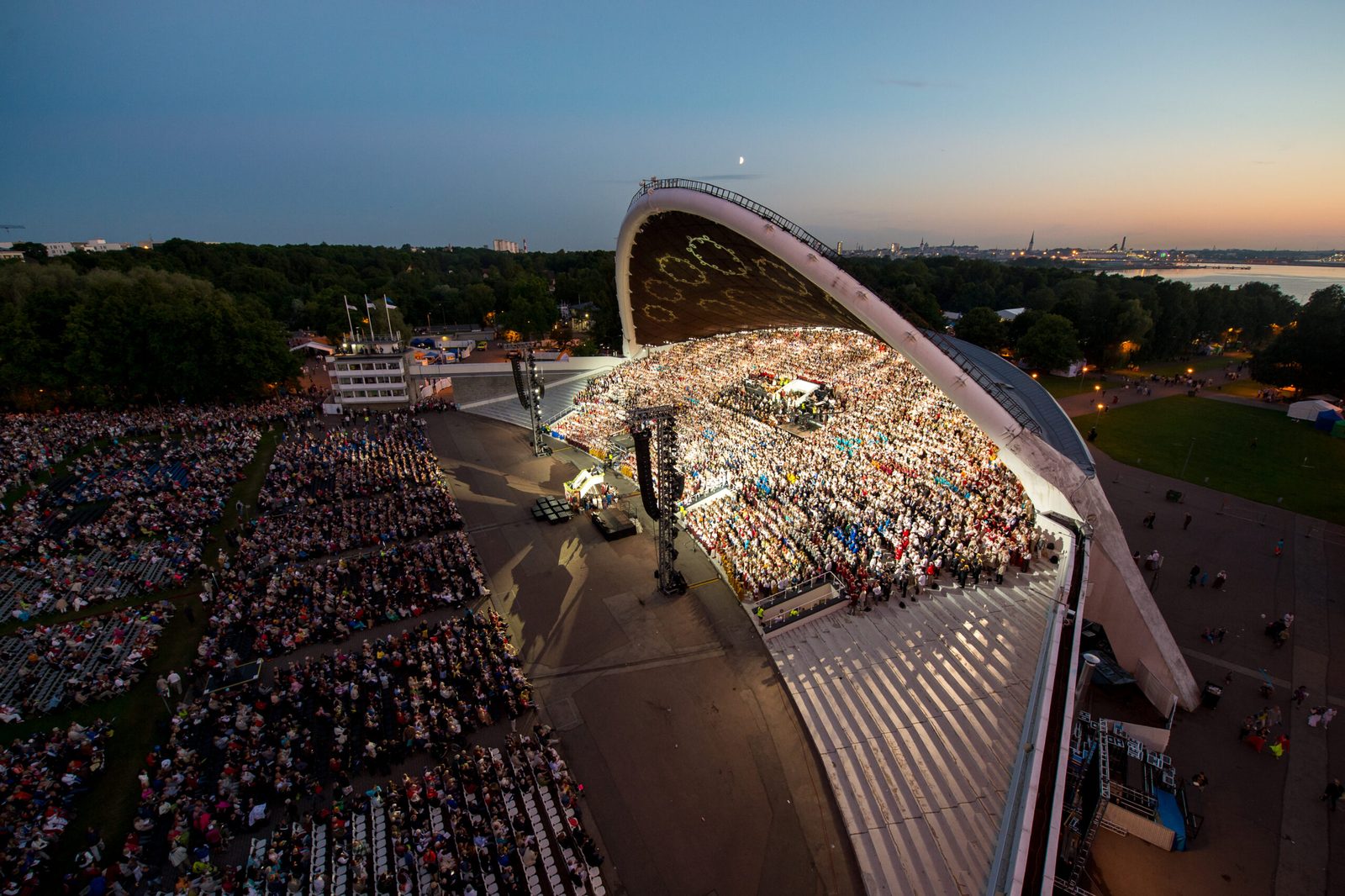
Estonian Song Festival Grounds, autor foto Aivar Pihelgas
Sursa: visitestonia.com
Strategie Tallin nocturn 2035
https://live.s3.teliahybridcloud.com/s3fs-public/inline-files/Arengukava%20%C3%96ine%20Tallinn%202035.pdf
Table of Contents
Introduction
Relationships with other development documents
Relationships with the UN Sustainable Development Goals
Current situation in Tallinn's nightlife.
Security
People working at night
Economic and social accessibility of nightlife
Mobility
International interest
Vision
Directions of activities and key activities
Implementation organization
The contribution of entrepreneurship to nightlife
The contribution of education and youth work to nightlife
The contribution of law enforcement to nightlife
The contribution of culture to nightlife
The contribution of mobility to nightlife
The contribution of urban planning to nightlife
The contribution of urban asset preservation and development to nightlife
The contribution of sports and physical activity to nightlife
The contribution of health and healthcare to nightlife
The contribution of management and support services to nightlife
Roles and cooperation
Monitoring the implementation of the development document
The main risks in the implementation of the development document and risk mitigation measures
Estimated cost of new financial obligations
Introduction
The development document “Nighttime Tallinn 2035” (hereinafter referred to as the development document) considers nightlife to be everything that happens in Tallinn between 7 p.m. and 7 a.m. Nightlife includes a diverse urban life: culture, entertainment, night work, night transport and other services.
More and more cities around the world consider nightlife to be an important factor in economic development, tourism and the enrichment of the living environment.
Nightlife is divided into three stages:
• evening time: 7 p.m.–11 p.m.
• night time: 11 p.m.–4 a.m.
• early morning time: 4 a.m.–7 a.m.
At the time of the development document, around a hundred cities around the world had appointed a person or created a structural unit responsible for the city at night and had developed a nightlife strategy. Noctourism is also a growing trend – a form of tourism that focuses on nightlife experiences, including cultural and community events, gastronomy, clubbing and live music, as well as outdoor and indoor social activities, such as concerts, city festivals,night markets, walks, sports opportunities and leisure time in public spaces. It is important for Tallinn to keep up with this international trend in order to increase the value of nightlife and offer both local residents and tourists varied and meaningful experiences. This helps to increase the international visibility of the city, supports tourism and helps to shape Tallinn into a high-quality, vibrant and 24-hour urban environment. The development document was prepared based on focus group interviews with over 70 people from different city districts and interest groups – from night workers to residents. The discussions helped to gain an overview of the city's nightlife opportunities, problems and areas for development from the perspectives of different stakeholders.
Links to other development documents
The development document “Night Tallinn 2035” is based on the city’s long-term development strategy
“Tallinn 2035” and is directly related to the city’s six strategic goals and the achievement of the objectives of several fields of activity. The aim of the development document is to direct the development of nightlife in a way that supports the quality of the city’s living environment, cultural diversity, the city’s economic development and its attractiveness at the international level, ensuring safety, social inclusion and adherence to the principles of sustainable development.
In parallel with the preparation of the development document “Night Tallinn 2035”, several important development documents are being prepared or implemented, the objectives and principles of which are set out in the development document relates. Development documents at both the city and state levels have been taken into account, through which the spatial, cultural and security policy of the night city and the development directions of the city as a 24-hour living environment are shaped. The development document has also taken into account the general plans of Tallinn's districts, which determine the principles and guidelines for the spatial development of different areas. Since nightlife is spatially dispersed and diverse in the city, it must be developed in accordance with the needs of the local living environment, uses and communities. The general plans emphasize the importance of a human-sized, diverse and easily accessible urban space, where public space is actively used throughout the day. The development document complements these objectives by supporting cultural diversity, community cohesion and safe mobility, offering forms of activity suitable for nightlife in each district - be it cultural events, sports or social gatherings. Such a holistic approach will help shape Tallinn into a city with a 24-hour rhythm of life, where nightlife is a natural part of the living environment and spatial culture.
Links to the Tallinn Development Strategy “Tallinn 2035”
“Night Tallinn 2035” directly contributes to the implementation of the following strategic goals of the Tallinn 2035 Development Strategy.
• “Friendly urban space”: cultural life available in every district of Tallinn from 7 p.m. to 7 a.m. helps reduce regional inequality. To improve accessibility, night bus lines will be developed, pedestrian paths will be illuminated, and public space will be made safer so that people can spend time there even after dark. This direction is also important for night workers.
To stimulate community interaction, it is important to create public gathering places that operate after the end of the working day. They support a lively and inclusive street space where community members can meet and spend time outside of their usual daytime activities.
“Creative World City”: Nightlife is part of Tallinn’s cultural identity and UNESCO City of Music status. Evening and night cultural events, live music venues and alternative cultural forms provide an opportunity for self-expression for both professional and budding creative individuals. The development of nightlife also creates the prerequisites for international cooperation projects, cultural export and creative entrepreneurship. Evening and night creative environments give young people the opportunity to develop practical skills, challenge themselves and participate in cultural creation outside of regular school and working hours.
The development document also contributes to the revitalization of entrepreneurship and the labor market by supporting small and medium-sized creative enterprises, cultural organizers and nightlife service providers. In addition, job opportunities for specialists working at night are promoted, including in the fields of security, service, technology and transport, paying attention to the quality of working conditions and support services.
From the perspective of education and creativity, the development document creates the prerequisites for the emergence of environments that develop and encourage self-testing in the evening and at night - for example, workshops, youth cafes and temporary forms of activity where practical skills and experience can be acquired. Involving young people in nightlife cultural creation supports the development of creative self-expression and learning to use urban space in a communal way.
Such a 24-hour cultural cycle helps to shape Tallinn into a creative and open global city, where culture and entrepreneurship support each other around the clock.
“Terve Tallinn liiking”: the night city offers more and more opportunities for movement and health. 24-hour sports clubs, illuminated outdoor gyms and evening leisure activities support an active lifestyle even outside of daytime activities. Nightlife participants are offered healthy alternatives to alcohol-based entertainment. Attention is also paid to the mental and physical well-being of night workers and to ensuring essential services at night: stress prevention, flexible working conditions and access to support services, such as mental health counselling, are supported. Night public transport and support for active forms of movement even in the dark keep the whole city moving around the clock.
“Green turn”: Nightlife development takes into account the need to reduce environmental impacts. To mitigate noise pollution, improved sound insulation is supported and the use of fireworks is restricted. When organising evening and night events, attention is paid to the principles of the circular economy, waste reduction and the reuse of materials. The temporary use of underused buildings for cultural and community activities promotes the sustainable use of space as a resource.
“Benevolent community”: Nightlife supports the cohesion of urban communities through forms of cooperation such as goodwill agreements with the Old Town and other lively nightlife areas. Law enforcement, nightlife organisers and communities cooperate to prevent harassment and violence. Awareness-raising campaigns are launched and activities that create a safer and more caring social environment are supported. Nightlife creates a space where people of different ages and backgrounds can communicate, relax and participate in cultural life.
“Home that starts on the street” – the diversity and regional dispersion of nightlife contribute to the vitality of Tallinn, supporting the balanced development of city districts and settlements and offering meaningful leisure opportunities outside the city centre. Activities for local residents – including cultural events, social forms and community initiatives – can be taken up even after the working day. This supports the principle that urban space is part of the home. Active use of public space in the evening and at night increases the functionality of urban space and helps to prevent a situation where some areas remain unused and unsafe after dark. In developing and planning the city, it is also necessary to support those districts where 24-hour activity opportunities have been limited. This helps to ensure cultural and social access for all residents, strengthens community cohesion and supports the development of the city as a 24-hour living environment.
Tallinn's Sustainable Urban Mobility Plan 2035 (Mobility Plan) highlights the need to diversify modes of transport, develop night public transport and cycle paths and make the city accessible at all times. The development document supports these goals, for example, by developing a network of night bus routes, paying attention to night traffic safety and security and prioritising the provision of active modes of transport as a basic service for the city.
The Tallinn Education and Youth Work Development Plan 2035 (in preparation) focuses on opportunities for lifelong learning, meaningful development of young people and hobby education. The development document addresses the involvement of young people in alternative culture and city festivals and safe evening and night activities. Enriching cultural life and developing youth-oriented nightlife will help reduce risk behaviour and strengthen the mental well-being of young people.
The “Tallinn Environmental Noise Reduction Action Plan 2025–2029” (in preparation) deals with reducing noise levels, especially in areas with a denser nightlife, such as the Old Town. The development document discusses noise monitoring, sound insulation requirements and the agent of change principle in terms of solving noise problems.
The “Tallinn Old Town Development Plan 2035” has a strong connection with the development document “Night Tallinn 2035”, as the Old Town is one of the hubs of Tallinn’s nightlife. Both development documents share the goal of creating a vibrant, culturally rich and safe urban space that takes into account the well-being of local residents and the expectations of visitors. “Night Tallinn 2035” supports the principles of the Old Town Development Plan by promoting a balance between vibrant nightlife and the quality of the living environment, emphasizing cooperation between communities, businesses and the city, and contributing to noise and safety management in the context of the Old Town as a UNESCO World Heritage Site. “Night Tallinn 2035” contributes to increasing the number of permanent residents of the Old Town, treating the Old Town primarily as a living environment where nightlife must fit in.
“International Tallinn 2035” aims to increase Tallinn’s international visibility and attractiveness, based on culture, creativity and diversity. The document supports the development of nightlife as part of the city’s unique image, emphasizing the importance of international partnerships and a balance between cultural export and reception. In the field of nightlife, this is expressed through supporting world-class events, highlighting cultural diversity and marketing cooperation, which highlights Tallinn as a cultural destination with a distinctive nightlife. Taking examples from other cities, such as London’s nightlife coordination model or Berlin’s noise support fund, a targeted and internationally competitive nightlife policy can be developed.
The “Estonian Youth Development Plan 2021–2035” and the “Estonian Education Development Plan 2021–2035” support the goal of young people having access to developing and safe activities around the clock. “Night Tallinn 2035” supports the creation of lifelong learning opportunities in a non-formal environment (e.g. night cinema, youth centres, evening workshops) and strengthens the participation of young people in the city’s nightlife and its organisation.
The “Estonian Tourism Strategy 2022–2025” emphasises the need to develop sustainable, diverse and dispersed tourism. The development document offers added value to Tallinn’s tourism sector through evening and night cultural and event tourism and thereby promotes a more dispersed distribution of visitors between city districts.
The “Estonian Drug Policy White Paper 2030” aims to reduce risk behaviour and strengthen prevention. The development document supports this direction through drug prevention initiatives (e.g. Night Fairies) and safety campaigns, and by promoting cooperative agreements between entertainment establishments
Links to the UN Sustainable Development Goals
"Night Tallinn 2035" supports the achievement of several UN Sustainable Development Goals (SDGs), including Estonia-specific Goal 18, by contributing to the development of cultural diversity, social inclusion, nightlife and sustainable urban space.
……………………. (tabel)
Current situation in Tallinn's nightlife
What has been done so far
Since December 2021, the city of Tallinn has done a lot to develop and revitalize the nightlife sector and make it safer. These activities have focused on cooperation between stakeholders, improving nightlife infrastructure and security, raising awareness of risks, and empowering the evening and night culture sector.
In December 2021, the Tallinn Nightlife Advisor began work, whose task is to develop the city's nightlife and represent the sector, taking into account the well-being of all city residents.
Increasing security
• 2022: Regular cooperation meetings on nightlife were launched between the Tallinn City Government, the Tallinn Municipal Police Board, the Police and Border Guard Board, and business and city residents' interest groups.
• 2022: The city of Tallinn and the police jointly organized the first nighttime order campaign, which focused on promoting peaceful and responsible nightlife.
• 2023: An anti-sexual harassment campaign and training were launched in cooperation with the Social Insurance Board.
• 2023: Cooperation with the National Institute for Health Development began within the framework of the responsible alcohol serving campaign and training "Consciously safer".
• 2024: Tallinn began official cooperation with the Night Fairies to prevent harm from drug use.
• 2024: The city distributed 2,000 rapid tests for corked drinks and launched an awareness-raising campaign for their use in nightlife.
• 2025: The city of Tallinn and entrepreneurs operating in nightlife venues in the Old Town signed a goodwill agreement to ensure order in nightlife, and the city launched monitoring measures.
Night transport and mobility
• 2022: Tallinn City Government allocated funds for a night bus pilot project which was launched in May.
• 2023: A survey was conducted and the usability of night buses was analyzed, and the night bus routes were made permanent.
• 2024: Two new routes were added to the night bus network, improving the accessibility of night public transport.
Promoting nightlife
• 2022: A measure for live music concert venues was launched to support the music sector.
• 2022–2024: Night cinema sessions took place as part of the Tallinn Urban Space Festival, offering a cultural alternative to traditional nightlife.
• 2023: The one-night city festival organised by the city of Tallinn, Culture Night, was revived.
• 2024: Tallinn's nights were celebrated for the first time with the Tour d'ÖÖ cycling race to highlight the diversity and cultural value of the city's nightlife.
Environmental protection
• 2023: A green rider for music events is ready, a tool that will help in steps to make the music industry more environmentally sustainable.
• 2022–2024: The city of Tallinn decided to abandon New Year's Eve fireworks to reduce environmental impact and noise pollution.
International cooperation
• 2022: Tallinn joined the international network of Night Mayors to exchange experiences with other cities.
• 2023: Tallinn joined the URBACT cooperation network Cities After Dark, which aims to share good experiences and solve problems related to nightlife.
• 2024: Tallinn joined the cooperation network NITIES to seek solutions to problems in the field of nightlife and share experiences at an international level.
• 2022–2025: Tallinn has been represented at international conferences and discussions, where experiences in nightlife development have been shared and the city's approach to designing a 24-hour urban space has been introduced.
In summary, the city of Tallinn has taken significant steps in recent years to make its nightlife safer, more diverse and better organised, paying particular attention to cooperation between stakeholders, cultural diversity and sustainability. Diverse leisure opportunities Tallinn's nightlife is diverse and vibrant, offering a wide range of cultural and entertainment options: clubs, bars, theatres, concert venues, cinemas and alternative culture venues. The city is internationally recognised as a UNESCO City of Music – a title that confirms Tallinn's strong position in the network of creative cities. The live music scene, the experimental Culture Night and the support for smaller and medium-sized concert venues reflect the city's contribution to the development of cultural diversity and alternative nightlife. In addition, healthy and safe exercise options support the nighttime urban space:
24-hour sports clubs, illuminated outdoor gyms, and evening exercise events in city districts.
► Development needs
Nightlife in Tallinn is unevenly distributed: most activities take place in the Old Town and Northern Tallinn, while other districts have few evening and nighttime cultural events.
This reduces the opportunities for local residents to participate in a varied nightlife and exacerbates the inequality between districts. The economic situation and the rising cost of living affect both visitors and organizers. Ticket prices, transport and the increase in the cost of services limit the opportunity to participate in nightlife, especially for young people, people with lower incomes and families.
Smaller cultural venues and creative entrepreneurs are under pressure due to rental costs and a lack of financing opportunities. Changing leisure habits show a growing interest in more meaningful and healthier alternatives. Activities in public spaces are increasingly valued and leisure opportunities that are not related to alcohol consumption are sought. Supporting such events and activities requires flexible spatial solutions and improved accessibility of both the physical environment and information distribution channels.
Security
In recent years, much attention has been paid to improving the safety of Tallinn's nightlife, including increased cooperation between the city, businesses and communities.
In 2025, a goodwill agreement was signed between the entertainment establishments in the Old Town and the city, with the aim of regulating noise levels, increasing responsible behaviour and ensuring good neighbourly relations between businesses and local residents.
Also, attention is being paid to improving the supervision and security measures of nightlife entertainment establishments, and mobility management to prevent traffic accidents and provide safe access.
► Development needs
In areas with more active nightlife, there are still many bottlenecks in ensuring safety and peace. Noise levels, excessive alcohol consumption and street noise cause dissatisfaction among local residents, especially in the Old Town and Kalamaja. Ignoring alcohol sales rules, insufficient soundproofing and incidents of hostile behaviour and harassment affect both the quality of life of residents and the sense of security of visitors. Attention must be paid to the prevention of both the noise problem and situations related to risky behavior. The use of electric scooters and mini-mopeds at night is also a growing problem: careless and drunk driving causes traffic accidents and injuries and endangers pedestrians, including people with special needs.
To solve problems related to nightlife, it is necessary to test which approach is useful in a specific situation.
People working at night
About 26,000 people, or about 11% of the city's workforce, regularly work at night and in the early morning. Many of them work at night permanently. Night workers play an important role in the city's night economy and in the provision of vital services. A number of services supporting the daily lives of night workers are already in operation: sports clubs open 24/7, gas stations and grocery stores, and night buses operating on weekends.
► Development needs
Night work is associated with significant health risks, including sleep disorders, mental exhaustion, and the likelihood of chronic diseases. Supporting mental health and raising awareness among employers and employees requires a more systematic approach than before.
There is a lack of preventive support services, including training and access to counseling. The lack of suitable childcare services for night workers is a concern, which primarily affects single parents and parents working on a schedule. Tallinn lacks a unified framework for supporting night workers, and its creation should be based on the workers' experiences and needs.
Economic and social accessibility of nightlife
The city has many cultural institutions and event organizers that provide self-expression opportunities for various social groups, including representatives of minority groups and niche cultures. In addition, every citizen can participate in community activities.
The economic accessibility of nightlife can be improved by using unused or underused spaces for evening and nighttime cultural activities. The city also has the opportunity to provide appropriate support, for example, through rent reductions, interim use or targeted subsidies.
► Development needs
In recent years, many clubs and creative spaces in Tallinn have been forced to cease operations due to economic difficulties. Independent cultural organizers often lack long-term lease agreements, financial security and support mechanisms, making them vulnerable to change.
The increase in the cost of living in Tallinn is worsening both visitors' opportunities to participate in cultural life and the survival of creative institutions. The rate of participation in culture has decreased in recent years - financial constraints are cited as the main obstacle. Increased utility, labor and rental costs make it difficult to sustain cultural venues whose activities are not based on the sale of alcohol and do not represent mainstream culture. In order to maintain the social accessibility of nightlife, it is necessary to develop targeted support measures that help both organizers and participants: including providing affordable ticket prices, accessible night transport and supporting alternative cultural venues.
Mobility
A night bus network has been established in Tallinn, which ensures connections between all city districts and the city center on Fridays and Saturdays. When developing the city's transport organization, it is planned to develop routes in directions that do not pass through the city center in order to create better connections between different city districts. In addition, it is possible to move around at night and early in the morning with electric scooters, bicycles, and mini-mopeds.
Development needs
Since the routes and frequency of night buses are limited, they do not cover the needs of all night-time users, especially in areas that do not have a connection to the city center. The city's mobility network needs a more comprehensive approach adapted to 24/7 use, which would safely combine public transport, light rail, micromobility and walking. It is also necessary to carry out targeted communication work and create better traffic conditions to promote responsible and safe movement around the clock.
International appeal
Tallinn's nightlife has been of great importance to both foreign and domestic tourists, offering a diverse range of cultural and social experiences in the evening and at night. Tallinn has a strong creative sector, UNESCO City of Music status and many distinctive nightlife venues, which create the potential to develop Tallinn into a city with a competitive nightlife. There are also emerging platforms offering tourism and cultural information that help to better promote Tallinn's nightlife on an international level.
Development needs
In recent years, Tallinn's international visibility as a nightlife destination has declined.
This is due to a number of factors: economic instability, changing tourism flows, rising costs and the closure of several important nightlife venues. Nightlife services and marketing activities are fragmented, which means that regional offerings and information (including transport connections and events) do not reach the international target group in a clear and coordinated manner. Without targeted steps, Tallinn's ability to provide a competitive, vibrant and accessible nightlife environment may decline.
Vision
Tallinn's nightlife is diverse, high-quality and inclusive, offering experiences to many target groups and supporting the city's cultural and economic development. Tallinn is a 24-hour city, with all essential services and leisure opportunities just 15 minutes away. Tallinn's nightlife is safe, creative and diverse, and of interest to both local residents and foreign visitors. The city develops nightlife in a sustainable, environmentally friendly and innovative way, ensuring a balance between the well-being of local residents and the development of nightlife.
Directions and key activities
1. Highlighting the diversity and cultural richness of Tallinn's nightlife
Tallinn's nightlife is diverse and culturally rich, offering a wide range of high-quality entertainment opportunities in cultural institutions and at various events. Community-oriented events and activities take place in all districts, enlivening nightlife and highlighting the district's distinctiveness. The main nightlife centers are the City Center and North Tallinn.
Tallinn's cultural life is enriched by events representing different subcultures. LGBT+ community events and festivals bring together different target groups and strengthen the city's international reputation. As a holder of the UNESCO City of Music title, Tallinn contributes to the development of live music, offering opportunities for both classical and experimental sound art. The city's cultural landscape is also enriched by large public city-wide events, such as Culture Night, which expands the opportunities for evening and nighttime cultural life and highlights innovative art forms. In addition to culture and entertainment, evening and nighttime urban spaces are complemented by sporting and active leisure opportunities. Illuminated health trails, outdoor gyms and 24-hour sports clubs offer varied opportunities for physical activity in the evening and at night. Integrating sports and exercise into nightlife enriches urban spaces, supports mental and physical well-being and creates alternatives for healthy and social leisure.
To maintain and develop this diversity, Tallinn supports live music venues and cultural projects, ensuring the emergence of new initiatives and alternative ways of spending time. Support provided through different application rounds allows organisers to offer a wider range of events and ensure that Tallinn's nightlife is accessible and diverse for both local and international visitors. Indicator: Share of residents who are satisfied with cultural leisure opportunities in Tallinn in the evening, night and early morning (7pm–7am) Baseline: to be determined in 2026 Target: to be determined in 2026
1.1. Creation of the position of nightlife coordinator
Creation of the position of nightlife coordinator in the Tallinn Strategy Centre.
The coordinator's task is to organize the implementation and monitoring of the activities described in the development document. (Tallinn Strategy Centre (SK))
1.2. Increasing youth participation in cultural life
Development of an action plan and support mechanisms for more active involvement of young people in evening and night cultural events. (Tallinn Culture and Sports Board (KSA))
1.3. Launching youth cafes
Opening youth cafes in at least two city districts with the support of mobile youth work specialists, providing 13–17-year-olds with a safe and supportive environment for spending free time, including in the evenings. (Tallinn Education Board (HA), city district governments (LOVs))
1.4. Supporting cultural projects and enterprises
Organizing and supporting diverse evening and night cultural events, paying more attention to different subcultures.(KSA)
1.5. Enabling interim use
Developing a concept for the temporary use of empty spaces, which enables the organization of evening and night cultural and community events in cooperation with the private sector. (Tallinn City Planning Board (LPA), LOVid, Tallinn City Assets Board (LVA))
1.6. Developing a city asset rental policy to support nightlife
Developing a value-based rental policy that supports local culture and the development of creativity and community initiatives. Analyzing the potential of empty or underused buildings and developing them into multipurpose spaces and putting them into use also for evening and night activities. (LVA)
1.7. Extending the opening hours of sports facilities
Extending the opening hours of city-owned sports facilities to encourage residents to exercise, allowing them to do so in the evenings and early mornings. (KSA, LOVid)
1.8. Organizing evening and night sports events
Organizing and supporting regular evening and night sports and exercise events (such as night runs, bike rides, dance nights and yoga sessions). (KSA, LOVid)
1.9. Lighting of outdoor gyms
Equipping all city outdoor gyms with controlled lighting to ensure their 24-hour usability and safety. (KSA, LOVid)
1.10. Expanding the offer of community and free cultural events
Encouraging the organisation of community and free cultural events in the evening and at night to provide a change from the usual nightlife.
Providing free and accessible events all year round, also using public green spaces and other suitable places in the city. (KSA, LOVid, Tallinn Municipal Police Department (MPA))
1.11. Supporting youth initiatives
Encouraging young people to organise their own evening projects and supporting projects that offer safer, creative and developing alternatives to traditional nightlife. (HA)
1.12. Development of public spaces as places to spend time
Modernization and development of public spaces (e.g. parks, squares, promenades) to make them free to use, accessible and safe (including well-lit) places for all age groups to gather and spend time around the clock. Addition of seating and play areas and illuminated sports facilities. (Tallinn Department of Environment and Municipalities (KKA, LOVid))
1.13. Improving digital accessibility
Developing existing cultural and event calendars (e.g. huvi.tallinn.ee, visittallinn.ee) so that information on evening and night events is easy to find and filter by time of day, region and target group. (SK)
1.14. Launching a club for special families
Launching a safe and supportive club where people with special needs from the age of 15 can meet regularly in the evening, participate in guided and meaningful joint activities and create supportive relationships with peers. In the same environment, family members and caregivers can also communicate with each other, share experiences, find support and participate in meaningful activities that support their coping and community belonging. (Tallinn Social and Health Care Board (STA))
1.15. Availability of public toilets 7 a.m. to 12 p.m.
Ensuring availability of existing toilets 7 a.m. to 12 p.m. and, if necessary, installing new ones in locations where there is a demand for them. This will increase the comfort and safety of visitors and night workers and help to prevent misuse of public space and related disturbances. (KKA)
2. Ensuring the safety and sustainability of Tallinn's nightlife
Tallinn's nightlife is safe, community-oriented and well-coordinated, and the urban environment is pleasant and diverse for both visitors and locals. Public space is functional and safe thanks to updated street lighting, installed security cameras, and well-trained and visible presence of security guards and law enforcement officers in nightlife areas. Nightlife establishments are responsible when selling alcohol, and the security measures implemented help reduce public order violations due to intoxication.
More thoughtful event organization and improved sound insulation of buildings help prevent noise (for example, keeping noise generated by entertainment establishments indoors) and mitigate the impact on the neighbourhood and the disruption of night peace.
The police, municipal police, city government and communities work in a systematic and trustful cooperation that supports preventive intervention and rapid response to problems. Cooperation and the creation of a safer and quieter night environment are also supported by settlement-based, inclusive goodwill agreements.
Pilot projects for the implementation of the principle of taking into account the existing use of the environment have been implemented in areas where new developments and entertainment establishments are required to adapt their activities to the existing urban environment. Taking into account the specific characteristics of the area (such as the living environment, noise conditions or cultural use), solutions are sought that ensure a balance between nightlife and the living environment. This prevents conflicts and supports sustainable coexistence in densely used urban spaces. In addition, many cultural projects allow community events (such as home café days and national culture festivals) to expand into the evening and night, promoting both community cohesion and the cultural diversity of Tallinn's nightlife. Indicator: Share of city residents who feel very safe in the evening, night and early morning out of the city residents who move around at these times Baseline: 13.5 (2023) Target: 27 (2035)
Indicator: Number of calls to law enforcement agencies for nighttime disturbances
Baseline: 943 (2024)
Target: 400 (2035)
2.1. Implementation of sound insulation requirements
Implementation of sound insulation requirements for entertainment establishments operating at night and implementation of a noise monitoring system in areas with more active nightlife to ensure a balance between the functioning of nightlife and the well-being of local residents. (MPA, Tallinn Transport Board (TTA))
2.2. Support for improving sound insulation
Improving the sound insulation of entertainment establishments and residential buildings (especially heritage buildings) within the framework of existing city measures to keep noise indoors. (LPA)
2.3. Conclusion of goodwill agreements
Extending goodwill agreements to settlements with more active nightlife to support community cooperation in nightlife. (LOVid)
2.4. Installation of security cameras
Based on the police risk assessment, increase the use of security cameras in areas with more active nightlife to improve public space surveillance, prevent violations and support law enforcement. (MPA)
2.5. Improving the quality of security work
Organizing regular training for security personnel, focusing on conflict resolution, protection of minority groups, communication with young people and prevention of risk behavior in nightlife. Conducting information work for nightlife establishments on the qualification requirements for security personnel. (Nightlife Advisor and external partners)
2.6. Increasing the presence of municipal police patrols during night hours
Increasing the presence of municipal police patrols in areas with active nightlife to support the maintenance of public order and ensure peace at night. (MPA)
2.7. Organizing awareness campaigns
Launching extensive education and awareness campaigns on responsible alcohol consumption, sexual harassment prevention, the risks of drug use and nightlife-related harm reduction. (Nightlife Advisor and external partners, MPA, STA)
2.8. Involving youth workers in nightlife-related networking
Raising awareness of mobile youth workers about nightlife opportunities and risks and involving them in nightlife-related networking in the city. (HA, nightlife advisor)
2.9. Continuing regular roundtable meetings
Organizing regular meetings between the city, police, city residents and representatives of nightlife-related fields to exchange information, address problems and prevent risks. (Nightlife advisor, MPA, LOVid)
2.10. Analyzing the applicability of the principle of taking into account the current use of the neighborhood
The possibility of establishing a principle according to which the initiator of the change (e.g. a real estate developer or a new nightclub owner) is responsible for preventing and mitigating any potential impacts (such as noise) is being analyzed. Similar to the obligation to report disturbances, this would support a fair division of responsibility between nightlife businesses and residential development.
2.11. Continue to provide prevention and support for addiction problems
Provide counselling and rehabilitation services for alcohol and drug use problems, increasing the scope and availability of services for nightlife participants and night workers where necessary. (STA)
3. Improving the well-being and working conditions of night workers
The city of Tallinn will improve the well-being of night workers by developing services and the urban environment.
The focus is on improving the availability of services for night workers, including the mapping and development of 24-hour dining venues, recreation areas and primary health services. The city, in cooperation with employers and city district governments, will develop childcare options for parents working on a schedule
and expand the night public transport network to ensure safe and convenient movement between work and home. The city will help make mental health support more accessible to night workers by supporting the development of counselling services and raising employers' awareness of the impact of night work.
3.1. Supporting the well-being of night workers
Organising prevention-focused training courses for night workers in cooperation with mental health specialists to provide psychological support and improve coping with the specificities of night work. Raising employers' awareness of the health risks associated with night work and supporting the design of working conditions in a way that helps prevent stress and burnout. (STA)
3.2. Analysis of the need for 24-hour childcare and the need to open night groups
Analysis of the need for 24-hour childcare: volume, areas and target groups where the need is greatest (e.g. families of healthcare, catering and security workers). Based on the results, assessment of the necessary resources (staff, premises, financing) and development of a preliminary solution for opening night groups in selected kindergartens. (HA)
4. Development of convenient and environmentally friendly 24-hour mobility and infrastructure
In Tallinn, it is also possible to move between different areas of the city in an environmentally friendly and convenient way at night. The scope of the night bus network is smaller than that of daytime lines, but it ensures a reliable possibility of movement on some nights of the week, especially in the evening or early morning.
The network of bicycle paths and illuminated and safe walking paths have increased the use of personal bicycles and 24-hour walking. Measures to improve road safety have been implemented, aiming to reduce injuries caused by intoxication among pedestrians. Electric scooters and mini-mopeds can be rented mainly from the beginning of spring to the end of autumn, but their use is prohibited at night. Digital solutions (such as Google Maps, Apple Maps and transport.tallinn.ee) allow city residents to easily plan their nighttime movement, finding the fastest and most convenient transport options according to their location and destination. Transport.tallinn.ee is a convenient and user-friendly alternative to large international platforms, providing the most accurate and up-to-date information on Tallinn's public transport. Indicator: Share of residents satisfied with nighttime (11 p.m.–5 a.m.) mobility options Baseline: to be determined in 2026 Target: to be determined in 2026
4.1. Development of night public transport
Expanding the network of night bus routes across the city and improving connections between city districts. Launching night routes also during major events that end at night during the week in order to reduce the use of personal vehicles and encourage the use of public transport.
Analyzing the possibilities of creating more direct connections between city districts (e.g. in the Haabersti–Nõmme direction), using support routes and creating better transfer options. (TTA)
4.2. Improving round-the-clock accessibility
Further developing urban infrastructure suitable for people with special needs (including ramps, elevators, wheelchair-friendly public transport) to ensure safe and comfortable movement also in the evening and at night.
Special attention needs to be paid to the accessibility of public transport and public transport stops, as well as ensuring safe movement routes in nightlife areas. Supporting the improvement of accessibility of cultural and entertainment institutions, taking into account temporary venues, multi-level buildings and 24/7 visiting hours. (TTA, STA, KSA)
4.3. Improving the availability of information
Improving the availability of information regarding night travel by developing the transport.tallinn.ee platform to be more user-friendly, including in mobile view.
Cooperating with the administrators of Google Maps and Apple Maps to ensure timely and accurate display of information regarding night routes. (TTA)
5. Increasing Tallinn's international recognition as a nightlife destination Tallinn is an internationally recognized nightlife destination, where historical heritage and innovative cultural creation create a unique and balanced entertainment environment.
The city attracts both domestic and foreign tourists with a varied and high-quality program, which includes alternative clubs, live music concerts, and other evening and nighttime cultural events, providing local residents with a pleasant and well-organized living environment.
Tallinn's nightlife is distinguished by a clear identity that combines local heritage and international trends. Memorable music and cultural events take place in a historic urban environment, private entrepreneurs actively support the development of nightlife, and companies operating in the sector are doing well. Thanks to the conscious development of infrastructure, support for the cultural sector, and international marketing, Tallinn is an attractive destination for both short-term visitors and creative individuals and cultural organizers who enrich the city's nightlife culture and contribute to its sustainable development. Indicator: Share of foreign visitors to Tallinn who agree with the statement that Tallinn has an interesting nightlife1 Baseline: 86% 2023 Target: 90% 2035
5.1. Development of world-class nightlife events and international marketing
Supporting and developing world-class nightlife events in order to make Tallinn a clearly recognizable and internationally popular nightlife destination.
The key is to highlight live music and nightly cultural events through cooperation with both local and international partners. To this end, marketing messages and focuses are set, high-quality visual content is developed, and marketing channels suitable for the target group are selected.
An important role is played by a calendar reflecting nightlife events and cooperation with organizers, who are provided with support, contacts, and resources, while maintaining their independence in organizing events. (City Entrepreneurship Service (ET), KSA)
5.2. Engaging new target groups and creating targeted campaigns
Focusing on target groups looking for authentic and cultural nightlife experiences. Designing campaigns that highlight Tallinn’s 1 Source: International Visitor Survey alternative culture clubs, live music and the contribution of the local creative community.
Securing Tallinn’s reputation as an exciting, high-quality and distinctive destination alongside mass tourism destinations.
Paying attention to cruise tourists staying overnight in Tallinn, offering them special solutions, helping to revitalize the visitor base and strengthen the nightlife. (ET)
Implementation management
The following are the main expectations for the development of nightlife in the city's fields of activity.
Contribution of entrepreneurship to nightlife
Tallinn's nightlife is closely linked to the entrepreneurial environment, where creativity, innovative business models and cooperation help to develop a diverse and competitive entertainment in the city. Entrepreneurs, including organisers of clubs, bars, restaurants and cultural events, create unique experiences in the city that attract both local residents and international visitors. Food culture and restaurant visits are an increasingly important part of the tourism experience, which is why it is important to direct visitors to discover other nightlife options in Tallinn after dinner, such as live music concerts, evening and nighttime events or unique cocktail bars.
A thriving nightlife sector also supports other economic sectors, including catering, accommodation, transport and services. Cooperation between entrepreneurs and the renewal of business models are essential for the further development of Tallinn's nightlife. As market dynamics have changed and people's purchasing power has decreased, traditional nightlife business models need to be adapted. Similar to other cultural sectors, nightlife also needs to renew its financing models, including support from the city and intra-sector cooperation projects. Thanks to a flexible and business-friendly legal environment, nightlife organizers can implement innovative solutions that benefit both the city's economy and the cultural environment as a whole. The contribution of education and youth work to nightlife Education and youth work play an important role in making Tallinn's nightlife more diverse and inclusive. Youth work supports the participation and inclusion of young people from the older target group in the cultural and entertainment sector, offering them opportunities to participate in nightlife not only as consumers, but also as organizers and creators. Youth centers, youth-oriented cultural and entrepreneurial programs, and non-formal learning opportunities help nurture future nightlife designers and entrepreneurs, giving them the skills and knowledge to create new solutions and business models.
The education system can also support raising young people's awareness of the opportunities and risks associated with nightlife in order to make responsible and healthy choices. Youth work and educational institutions can work together to develop programmes that provide young people with a safe environment in which to test ideas and develop creativity and entrepreneurship. Nightlife is not just entertainment, but it can also promote young people's creativity, self-development and active participation in the city's cultural and social life. The contribution of law enforcement to nightlife Ensuring the safety of Tallinn's nightlife is based on effective law enforcement and smooth cooperation between different parties. Cooperation between the municipal police, the police and security companies, including prevention programmes, joint raids and community involvement, helps to create a safer and more stable urban environment. Increasing the use of security cameras in public places and nightlife areas improves the sense of security and allows for the prevention of public order violations.
In addition, law enforcement contributes to improving the quality of nightlife by contributing to more effective control of alcohol consumption and sales and ensuring peace at night. Youth groups need special attention, in which case preventive work carried out in cooperation with mobile youth workers will help reduce the risk of risky behavior. Specifying the security requirements of nightlife establishments and harmonizing the training of security workers would support a professional approach to ensuring security. Culture's contribution to nightlife Tallinn's cultural diversity and creativity are an important foundation of nightlife. This is based on a wide range of art and entertainment forms, from club culture and live music to more experimental cultural projects. Cultural institutions, such as theaters, galleries and museums, play an important role by offering evening programs that enrich nightlife. The city supports creative individuals and cultural organizers who bring innovative solutions and creativity to Tallinn's nightlife, making it interesting for both local residents and international visitors.
The cultural sector also helps to improve the quality of nightlife by offering alternatives to alcohol-based entertainment and promoting creative entrepreneurship. Artists, musicians and other creative people create content that enriches nightlife, including music and dance performances and interdisciplinary cultural events. The synergy between culture and nightlife contributes to the emergence of new creative centers and community initiatives and the implementation of new ideas, making Tallinn's cultural space more diverse. 25 Mobility's contribution to nightlife Revitalizing Tallinn's nightlife depends on the ability to move smoothly, safely and comfortably, as well as environmentally sustainable, throughout the city. Therefore, the network and operating hours of night bus lines need to be expanded to improve the ability of both visitors to the city and night workers to move between different districts.
In addition to developing public transport, it is also important to streamline traffic: night-time traffic noise (including speeding) must be mitigated by setting speed limits, traffic calming measures and effective supervision. To make night-time movement safer and more comfortable, pedestrian and cyclist paths must be improved, including leveling kerbs and installing pedestrian crossing lighting. Better access to information, for example, through Google Maps and other real-time navigation systems, will help people find the best options for moving around at night. The contribution of urban planning to nightlife Urban planning plays an important role in ensuring the diversity, safety and sustainability of Tallinn's nightlife, helping to balance the needs of entertainment venues, visitors and local residents. A well-designed urban environment that clearly defines nightlife centres (including the central areas of city districts) and residential areas will help reduce the risk of disturbance to nightlife and direct nightlife to more suitable locations. Concentrating nightlife establishments in selected areas allows for the creation of better infrastructure and the prevention of noise-related conflicts, while preserving the quality of life of local residents.
Urban planning can also encourage the temporary use of empty spaces for cultural and community events by implementing the principle of interim use in cooperation with the private sector. In addition, it is important to test the principle of taking into account the current use of the surrounding area in selected areas to ensure that new developments and existing entertainment establishments adapt their activities to the specificities of the urban environment, reducing conflicts between residential areas and nightlife. The contribution of preserving and developing urban assets to nightlife The strategic management and development of Tallinn's urban assets create the prerequisites for the development of a diverse and sustainable nightlife. The city's real estate is used purposefully to support nightlife-related businesses, cultural events and community initiatives. The temporary use of empty or underused buildings for cultural and entertainment activities helps to revitalize nightlife activities in different parts of the city. The development of interim use concepts and cooperation with the private sector allows the city to respond to rapidly changing spatial needs and support creative entrepreneurship.
In addition, the city can support the development of nightlife infrastructure through its real estate and public space planning and ensure that the city has enough high-quality performance venues, smaller event venues and community spaces that meet the needs of different forms of nightlife. The city's grants and preferential rental opportunities can provide a varied and inclusive nightlife for both locals and tourists. The contribution of sports and physical activity to nightlife The development of sports and physical activity in Tallinn also creates new opportunities for nightlife, offering varied and healthy alternatives to traditional forms of entertainment. Fitness trails, open sports fields and evening sports events, such as night runs and shared cycling, offer active and social opportunities. This enriches the city's nightlife and attracts both locals and tourists. Integrating sports activities into nightlife also allows for a wider range of participants, bringing together representatives of different age groups and interest groups.
A very large proportion of people who work during the day exercise or spend time actively outdoors in the evening. Therefore, it is important that Tallinn's sports and exercise facilities offer opportunities for exercise after the working day. Sports clubs, swimming pools and health parks that are open longer or operate 24 hours a day make sports more accessible, helping people maintain a healthy lifestyle. This promotes both mental and physical well-being and is an alternative to passive spending time, helping to reduce risks associated with nightlife, such as excessive alcohol and drug use. The contribution of health and healthcare to nightlife The support of the health and healthcare sector to nightlife includes 24-hour access to first aid and initiatives that promote health awareness. The availability of emergency and medical services during night hours can be of critical importance for both nightlife visitors and people working there. It is important to integrate drug prevention programs with nightlife management, helping to prevent and reduce risky behavior associated with nightlife and providing support to those who need help with addiction problems. In addition, the health sector contributes to the development of a safe and balanced nightlife through health campaigns, for example, by conducting information work on the topic of responsible alcohol consumption and maintaining mental health.
Contribution of management and support services to nightlife
Support services support the implementation of the development document by coordinating and advising on cross-sectoral strategic and financial planning, developing development planning and monitoring competence, and, in cooperation with the city organization, creating and updating tools that facilitate the implementation of the development document “Night Tallinn 2035”.
The sector also provides support in shaping the legal framework, planning and development of personnel, and organizing thoughtful and effective communication.
Decision-making bodies and managers ensure representation of interests, a fast and efficient decision-making process, and setting priorities so that the necessary investments can be made and changes can be implemented in accordance with the action plan.
Roles and cooperation
The prerequisite for implementing the objectives set out in the Development Document is cooperation between city authorities and effective cooperation between the city organization and partners and communities. Promoting nightlife requires a comprehensive and cross-sectoral approach, covering security, culture, entrepreneurship and urban spatial development.
The strategic direction and coordination of the nightlife sector is comprehensively responsible for the Tallinn Strategy Centre, which works closely with all relevant city authorities. The tasks of the Strategy Centre include, among others, the following:
• organizing the preparation and monitoring of the development document;
• coordinating the implementation of the development document;
• supporting the development of city services taking into account the needs of nightlife;
• coordinating research, surveys and engagement in the nightlife sector in cooperation with city authorities and partners, and initiating and supporting innovative nightlife solutions across the city;
• supporting the nightlife sector in implementing the principles of the circular economy.
The Tallinn Culture and Sports Department contributes to the development of nightlife through the development of cultural and entertainment infrastructure and services. The tasks of the Department include, among others, the following:
• supporting cultural programs and events, including evening and night activities;
• developing the use of the city's cultural and sports infrastructure related to nightlife (e.g., longer opening hours of sports clubs, lighting of outdoor gyms and exercise paths);
• planning and implementing night-time events supporting physical activity and active leisure (e.g., night runs, dance evenings, evening and early morning workouts);
• analyzing the impact of cultural and sports events on the urban environment, nightlife, and nightlife in general.
The Tallinn Environment and Municipal Affairs Department supports the development of nightlife by creating conditions related to urban space and infrastructure. The tasks of the Department include, among others, the following:
• planning and construction of lighting;
• planning and construction of a diverse public space for 24-hour use.
The Tallinn Municipal Police Department ensures public order and security supervision in the nightlife environment. The tasks of the Department include, among others, the following:
• contributing to ensuring night-time peace and order in nightlife areas;
• cooperation with the police and communities to prevent conflicts;
• monitoring compliance with law enforcement requirements in nightlife establishments.
The Tallinn City Planning Department supports the development of nightlife through planning and urban space development. The tasks of the Department include, among others, the following:
• planning of public space and buildings that take into account the needs of nightlife in the city;
• analysis of nightlife impacts in planning procedures.
The Tallinn City Property Board contributes to the development of nightlife through the provision and development of real estate in the city. The Board's tasks include, among others, the following:
• management and development of premises suitable for nightlife (including cooperation with cultural and entertainment institutions);
• enabling the use of city property and public buildings for the organization of nightlife events.
The Tallinn Education Board supports the nightlife sector with prevention, information and youth work.
The Board's tasks include, among others, the following:
• information work carried out in educational institutions on responsible nightlife behavior;
• cooperation with hobby education providers and mobile youth workers to involve young people in safe and positive nightlife activities.
The Tallinn Social and Health Care Board participates in the development of nightlife from a health and social perspective. The Board's tasks include, among others, the following:
• development of services to meet the needs of nightlife-related target groups (e.g. accessibility);
• supporting nightlife-related safety and well-being research with expertise
Tallinn district governments play a central role in the regional development of nightlife.
Their tasks include, among others:
• cooperation with other authorities, communities and entrepreneurs to develop nightlife in the city districts;
• coordination of public space and event management for nightlife activities;
• collecting feedback from residents on specific services and supporting communication regarding nightlife issues and agreements.
The Tallinn City Office and the Tallinn City Council Office support the development of nightlife through the city's legal space and strategic documents, including adopting relevant legal acts (e.g. development documents, city budget and budget strategy).
Monitoring the implementation of the development document
The development document “Night Tallinn 2035” is treated as another development document, based on the procedure for preparing, publishing and reporting development documents of Tallinn.
To implement the development document, activities and metrics are included in the implementation plan of the development strategy “Tallinn 2035” and sectoral implementation plans, and the necessary financial resources are planned in the city’s financial plans. The Tallinn Strategy Centre coordinates the preparation of implementation plans at the same time as the preparation of the city’s budget strategy and the city’s budget.
The activities planned in the development document and implementation plans are also reflected in the work plans of the city’s authorities, their implementation is regularly reported on, and the achievement of results and progress towards the target levels of the metrics is regularly monitored.
The implementation of the activities and metrics approved in the development strategy implementation plan is reported on in the city’s annual consolidated annual report. To monitor the implementation of the development document, additional studies and surveys will be conducted if necessary; it is preferred to include questions in the survey of Tallinn residents. The development document will be updated as needed or a new one will be prepared based on the current city development strategy. Main risks in the implementation of the development document and risk mitigation measures
…………………..(Tabel)
Estimated cost of new financial commitments
The most important estimated additional costs related to the implementation of the development document, in order of importance, are as follows:
Creating a nightlife coordinator position – approx. EUR 70,000 per year
Providing public toilets from 7am to midnight – approx. EUR 400,000 per year
Improving sound insulation – approx. EUR 300,000 per year
Developing a network of night bus routes – approx. EUR 400,000 per year
Involving young people in nightlife culture – approx. EUR 100,000 per year
Increasing the offer of free evening cultural and community events – approx. EUR 50,000 per year
Developing world-class nightlife events and their international marketing – approx. EUR 300,000 per year
Involving new target groups and creating targeted nightlife campaigns – approx. EUR 50,000 per year